
ddcfDNA quantitative technology upgrade!
ddcfDNA is a biomarker of non-invasive injury in kidney transplantation. Its detection accuracy is affected by specific pathological/physiological conditions, such as the patient's pregnancy, tumor or blood transfusion status. Currently, international ddcfDNA enrollment requirements generally exclude pregnancy status, which has become an obstacle for pregnant kidney transplant recipients to enjoy/own this non-invasive technology. in addition
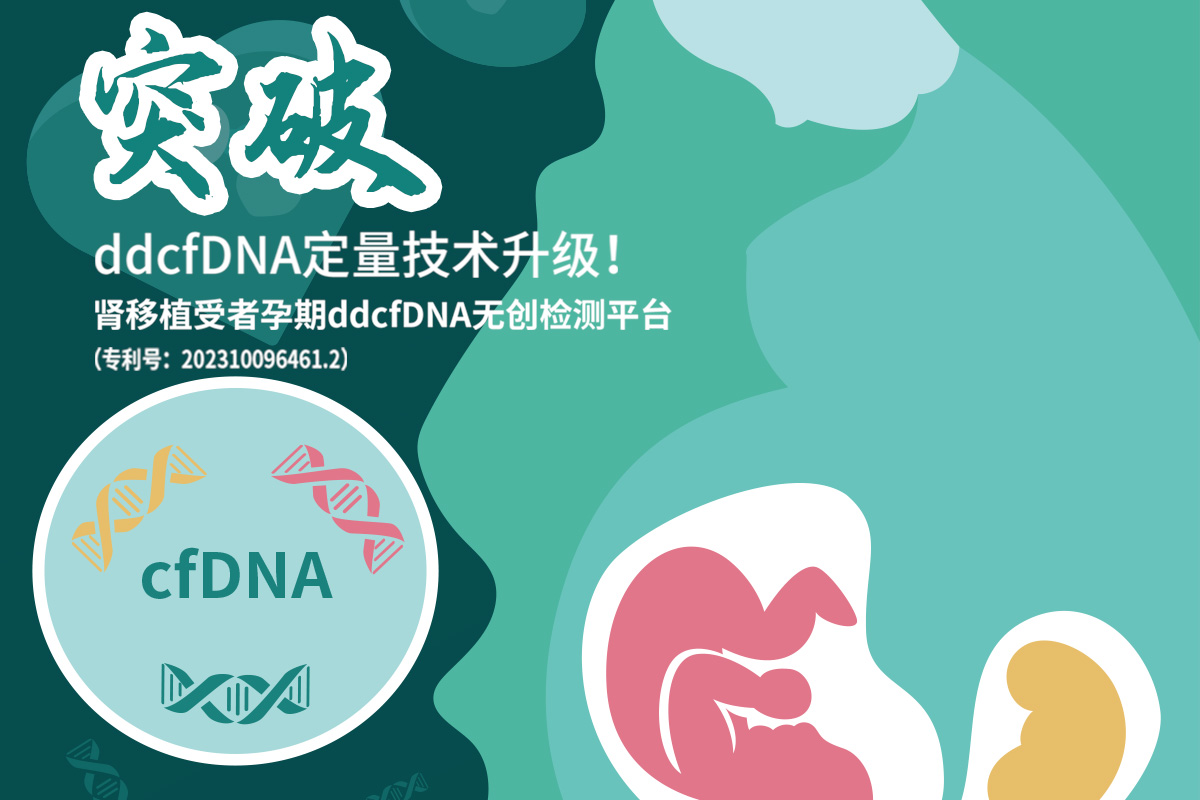
ddcfDNA is a biomarker of non-invasive injury in kidney transplantation. Its detection accuracy is affected by specific pathological/physiological conditions, such as the patient's pregnancy, tumor or blood transfusion status. Currently, international ddcfDNA enrollment requirements generally exclude pregnancy status, which has become an obstacle for pregnant kidney transplant recipients to enjoy/own this non-invasive technology. In addition, the risk of subclinical rejection increases during pregnancy (whether data are available, such as the incidence of rejection), and the health of the transplanted kidney needs to be closely monitored.
After two years of research and development, AlloDx has successfully established a technology platform for ddcfDNA detection during pregnancy for kidney transplantation. It is one of the two companies in the international transplant field with ddcfDNA detection technology during pregnancy. By accessing the ffcfDNA quantitative database of 20,000+ Chinese pregnant women, innovative Cleanse technology is used to eliminate fetal DNA interference and accurately capture donor kidney health information. It took two years of iteration to be safe and accurate, helping to reduce the probability of missed diagnosis of subclinical rejection.
Ø After two years of research and development, we strive for excellence and develop the leading ddcfDNA detection technology during pregnancy (only 2 companies in the world);
Ø Technological innovation: first-of-its-kindCleansePrecision screening technology extracts two mixed signals of kidney donor source (ddcfDNA) and fetal source cfDNA (ffcfDNA), and effectively blocks ffcfDNA interference to obtain the ddcfDNA kidney donor signal.
Ø Database size: Based on the fetal ffcfDNA concentration database of 20,000+ Chinese pregnant women, fully covering all gestational weeks;
Easy to operate: only a small amount of blood and urine is needed, and sampling can be completed within 10 minutes
Rigorous and professional: 12 experimental quality control processes to ensure report accuracy
Accurate and comprehensive: detection of rejection risk, pathogenic bacteria infection, etc. can be completed with just one sampling
Safe and timely: no hospitalization required, the health status of the transplanted kidney can be known within 5 to 7 days
Some original figures, videos and downloadable materials are provided in Chinese.