
An Exploratory dd-cfDNA Cutoff in a Chinese Heart Transplant Cohort: Results from a Prospective Study at Fuwai Hospital
A prospective study of 80 recipients and 299 plasma samples established an exploratory dd-cfDNA cutoff of 0.33% (AUC 0.874) for detecting acute rejection in a Chinese heart transplant cohort. AlloDx provided the dd-cfDNA testing service and methodological support for the study.
Acute rejection after heart transplantation has long been detected by endomyocardial biopsy (EMB), an invasive procedure subject to sampling error and inter-observer variation. Donor-derived cell-free DNA (dd-cfDNA) measured in blood reflects graft injury and offers a non-invasive, repeatable route for monitoring.
On 5 October 2026, Professor Liu Sheng's team at Fuwai Hospital, Chinese Academy of Medical Sciences, published a prospective study in Transplant International that systematically evaluated the post-transplant dynamics of dd-cfDNA, its relationship with biopsy findings and its change after anti-rejection therapy in Chinese heart transplant recipients. The study included 80 recipients and 299 plasma samples; the authors describe it as the first exploratory dd-cfDNA cutoff (0.33%) established in a Chinese heart transplant cohort. AlloDx provided the dd-cfDNA testing service and methodological support for the study.
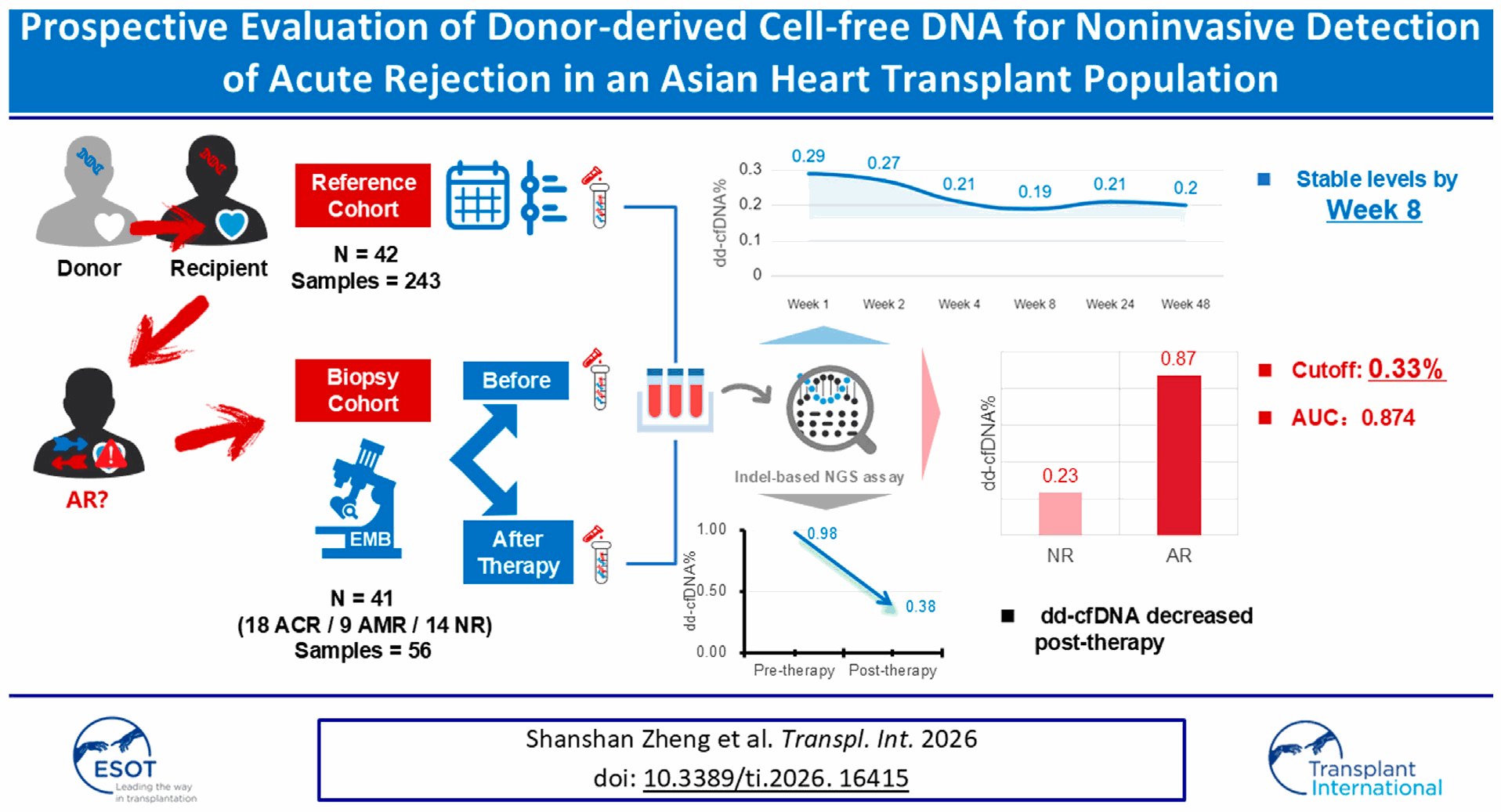
Figure 1 Graphical abstract of the study: cohort composition, post-transplant dynamics, rejection detection and post-treatment change. The two cohorts overlap, comprising 80 independent recipients. Source: Zheng et al., 2026, CC BY.
I. Background: most existing cutoffs derive from European and American cohorts
Most existing dd-cfDNA interpretation thresholds derive from cohorts made up largely of European and American patients. Genetic background, donor-recipient pairing and immunosuppressive regimens differ in Chinese recipients, so applying those thresholds directly may bias interpretation. Using EMB histology as the reference, this study explored the distribution of dd-cfDNA and its ability to identify acute rejection in Chinese recipients.
"We hope that prospective data from Chinese heart transplant recipients will provide a basis for using dd-cfDNA in East Asian populations," said Shanshan Zheng, first author of the paper.
II. Methods and cohorts: 48 Indel markers with ultra-deep NGS
The assay uses insertion-deletion (Indel) genetic markers: 48 Indel markers optimised for East Asian populations combined with ultra-deep next-generation sequencing (NGS) to quantify donor-derived DNA in plasma. It requires no molecular barcodes and is linearly quantitative from 0.05% to 1.5%.
Two complementary cohorts were enrolled: a reference cohort of 42 recipients and 243 plasma samples followed for almost one year after transplantation, and a biopsy cohort of 41 recipients and 56 samples used to analyse rejection-related findings and change around treatment. The cohorts overlap, comprising 80 independent recipients in total.
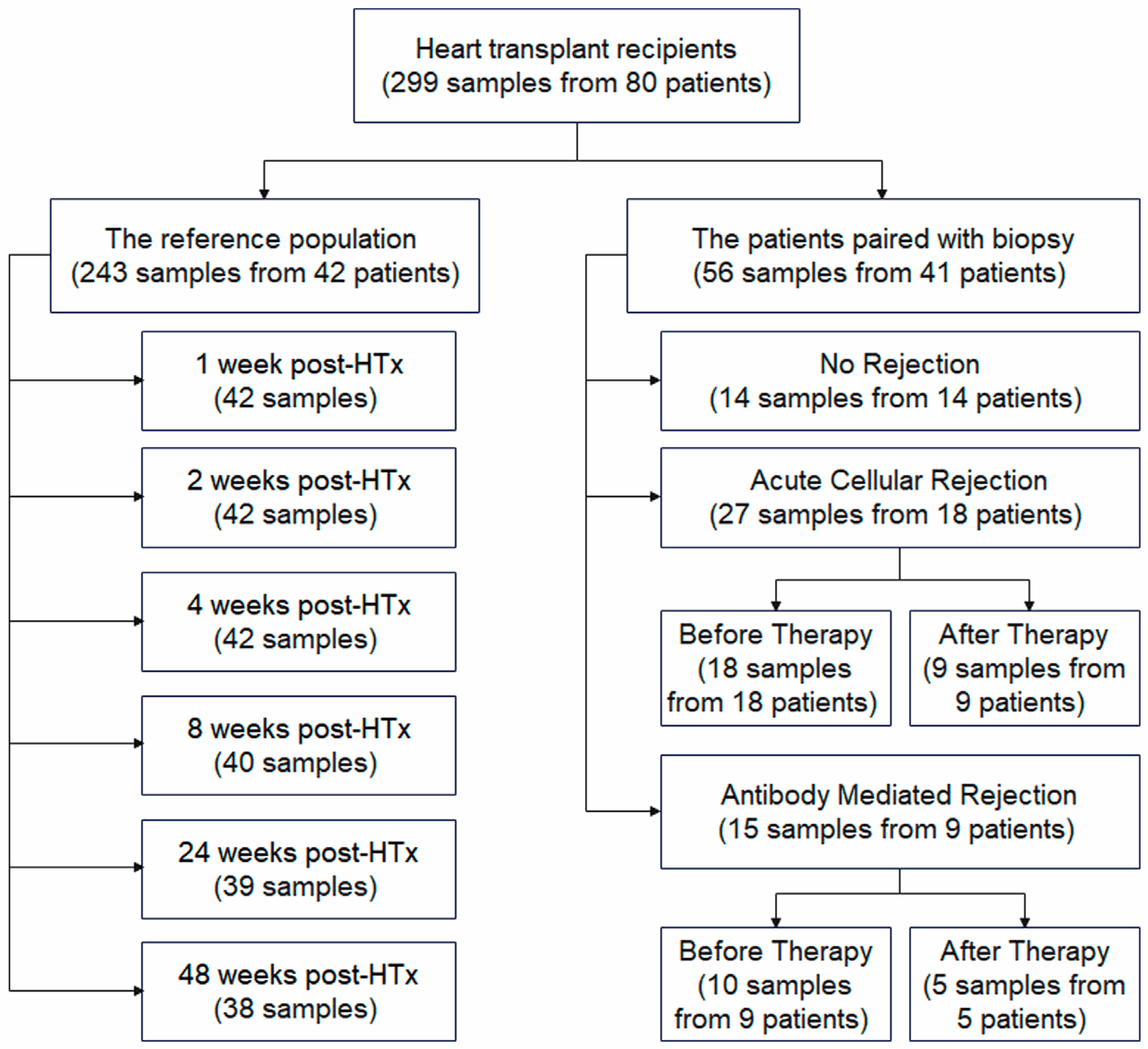
Figure 2 Study cohorts and sample composition. The reference cohort was followed longitudinally; the biopsy cohort includes samples taken at biopsy and, for some recipients, after treatment. Source: Zheng et al., 2026, CC BY.
III. Post-transplant dynamics: a relatively stable range from week 8
Longitudinal follow-up of the reference cohort showed that dd-cfDNA levels differed by post-transplant phase: median 0.29% at week 1, 0.27% at week 2, 0.21% at week 4, 0.19% at week 8, 0.21% at week 24 and 0.20% at week 48. Overall, levels began to stabilise from week 4 and reached a relatively stable range by week 8.
These changes indicate that dd-cfDNA results should be interpreted in the context of time since transplantation and of serial trends; signals related to the peri-operative period and ischaemia-reperfusion injury warrant cautious interpretation alongside the clinical picture.
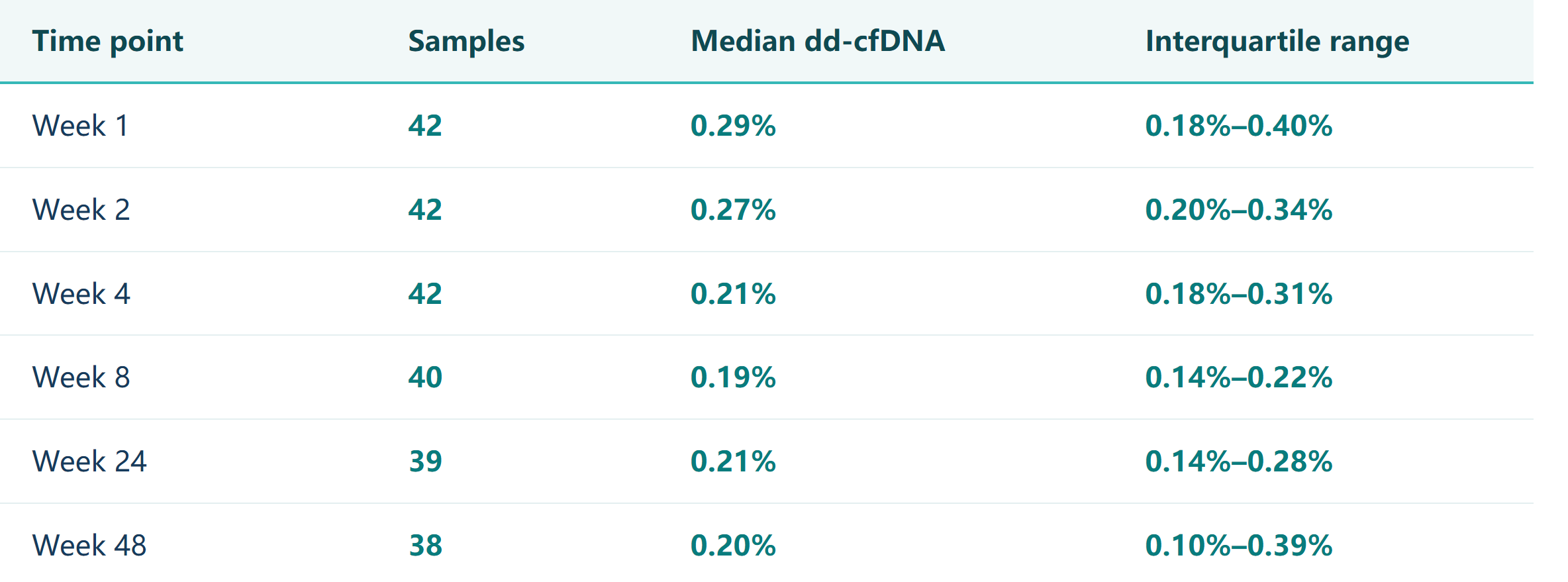
Table 1 dd-cfDNA levels at each time point in the reference cohort. Compiled from the reference-cohort section of Table 2 of the paper.
Reference-cohort recipients were clinically stable but did not undergo routine surveillance biopsy, so the reference levels above are not equivalent to histologically confirmed absence of rejection.
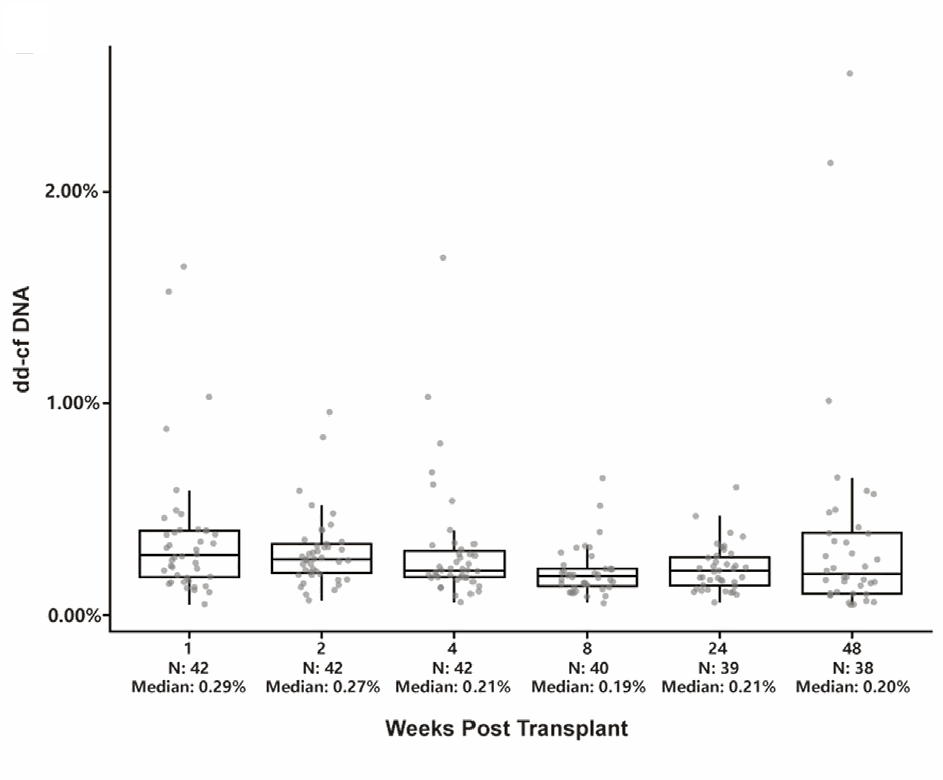
Figure 3 Distribution of dd-cfDNA at different post-transplant time points; sample numbers and medians are retained in the figure. Source: Zheng et al., 2026, CC BY.
IV. Rejection-related change: 0.87% versus 0.23%
In the biopsy cohort, median dd-cfDNA was 0.87% in the acute rejection (AR) group and 0.23% in the non-rejection group, a statistically significant difference (P<0.001). Subtype analysis showed that moderate-to-severe acute cellular rejection (ACR) and higher-grade antibody-mediated rejection (AMR) were both associated with higher dd-cfDNA levels.
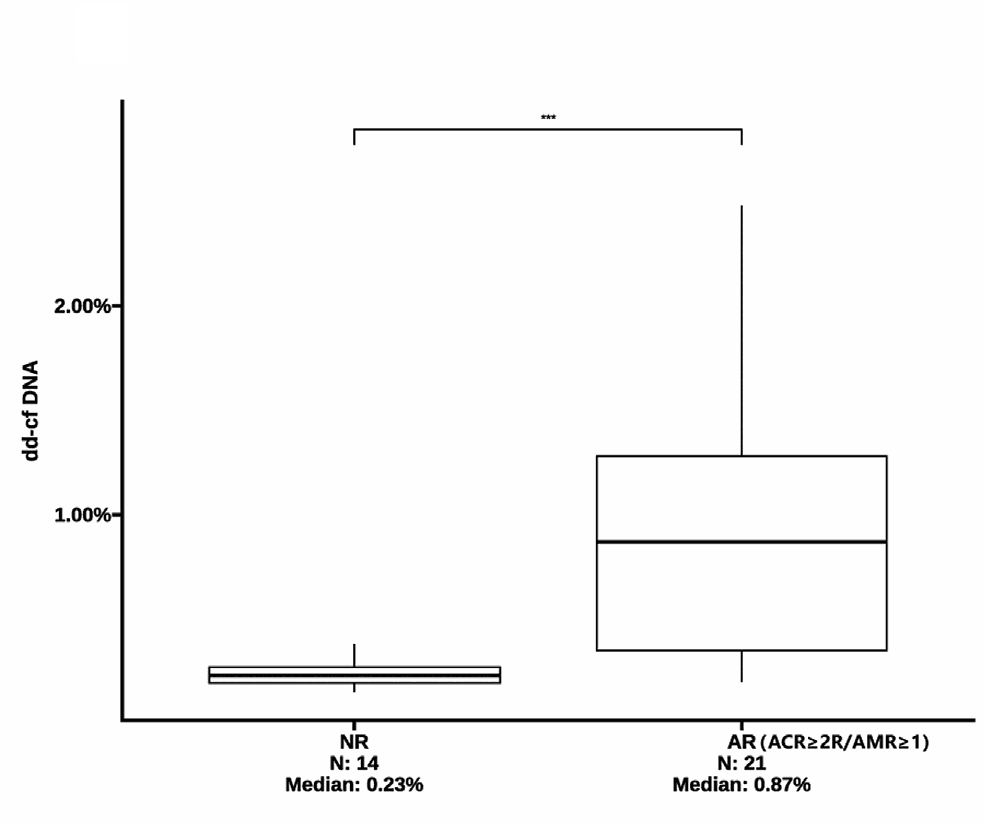
Figure 4 dd-cfDNA in the non-rejection and acute rejection groups. AR, acute rejection; NR, non-rejection. Source: Zheng et al., 2026, CC BY.
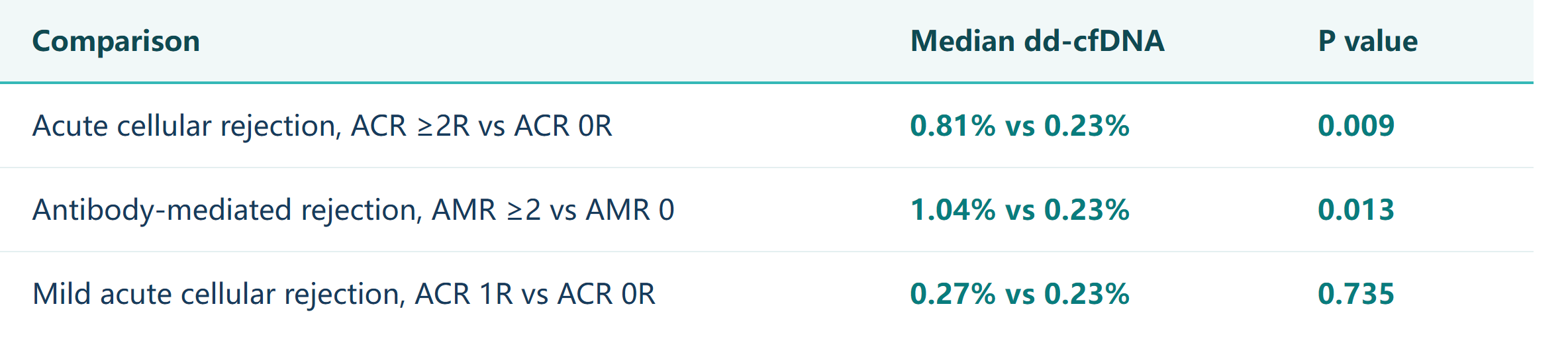
Table 2 Median dd-cfDNA by rejection subtype versus control. P values refer to each two-group comparison; compiled from the results section and Figure 3 of the paper.
No significant difference was observed between mild acute cellular rejection (ACR 1R) and ACR 0R, indicating that the ability of dd-cfDNA to discriminate rejection severity requires further study. As a molecular marker of graft injury, its results must be interpreted together with histology and other clinical findings.
V. Diagnostic performance: 0.33% as the exploratory cutoff in this cohort
Against biopsy as the reference, the area under the receiver operating characteristic curve (AUC) of dd-cfDNA for acute rejection was 0.874; at the 0.33% cutoff derived in this cohort, sensitivity was 81.0%, specificity 85.7%, positive predictive value 89.5% and negative predictive value (NPV) 75.0%.
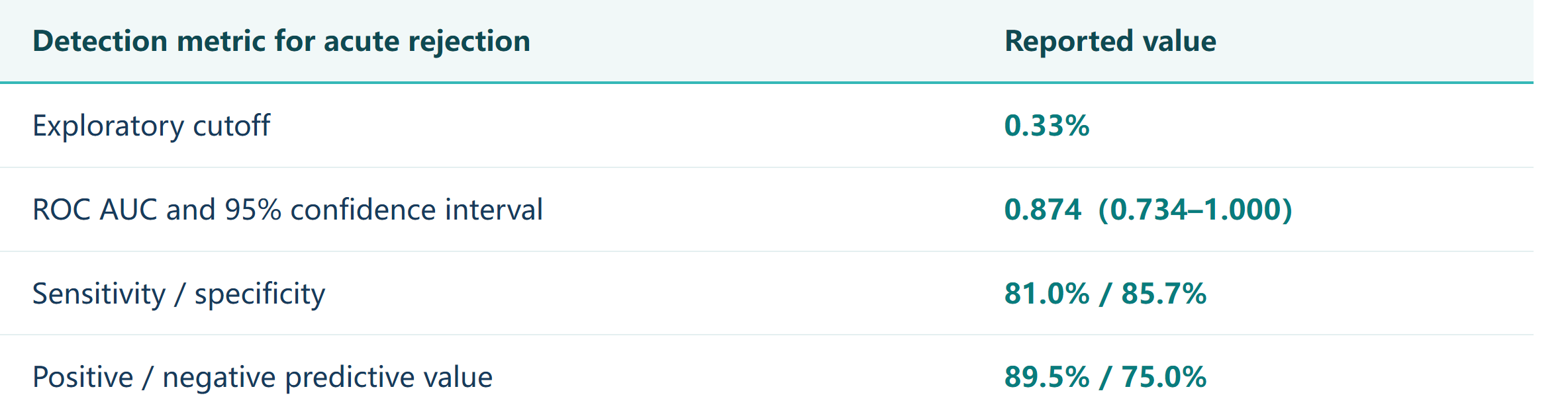
Table 3 Diagnostic metrics for acute rejection. Compiled from the main diagnostic analysis of the paper; AUC follows the overall ROC analysis.
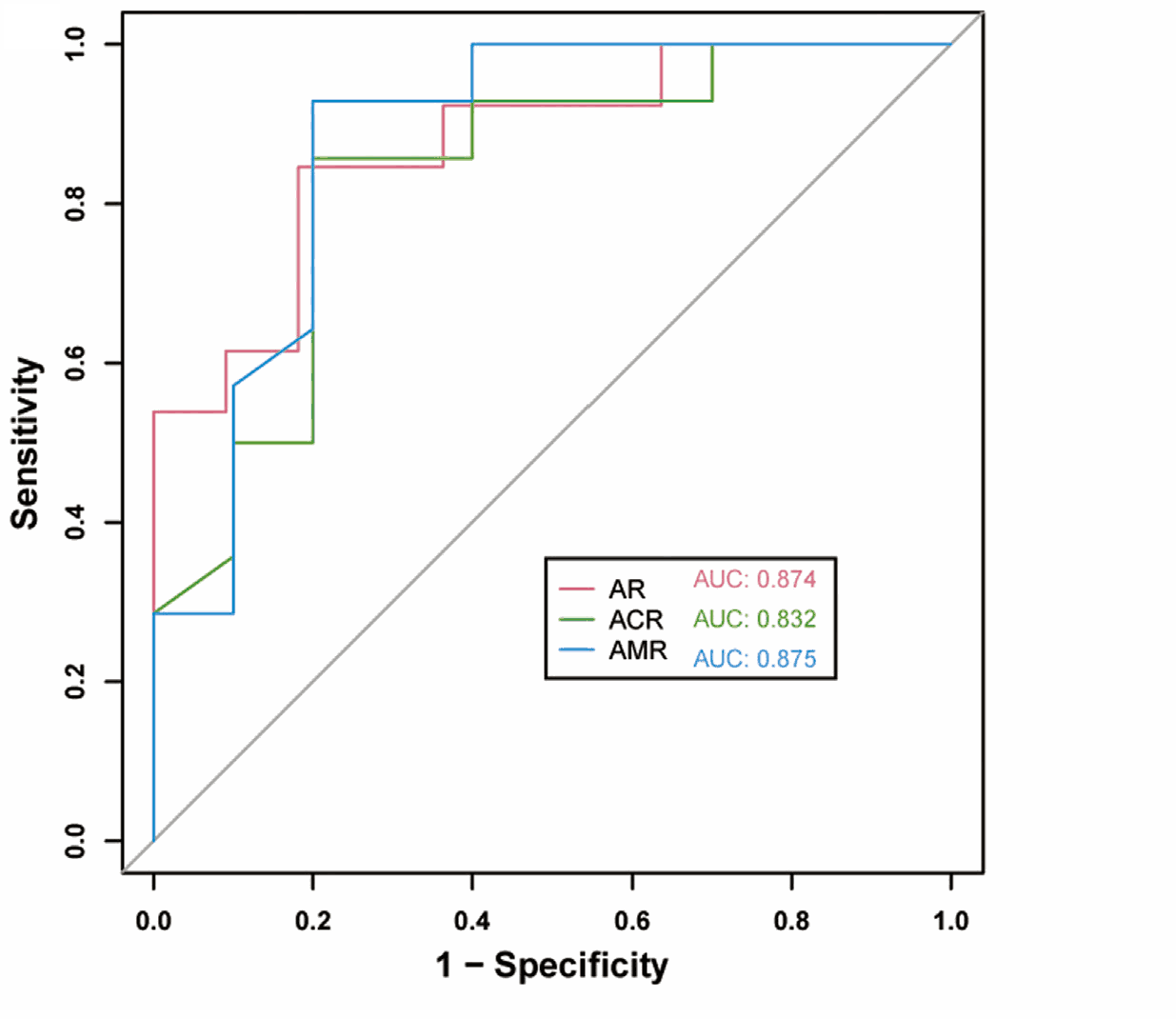
Figure 5 ROC curves for acute rejection and its subtypes. AUC was 0.874 for AR, 0.832 for ACR and 0.875 for AMR. Source: Zheng et al., 2026, CC BY.
The 0.33% value is an exploratory result tied to this assay, population and study design, and cannot yet serve as a uniform standard for all East Asian recipients. Because the biopsy cohort consisted mainly of recipients with clinically suspected rejection, NPV was 75.0%: a value below the cutoff cannot by itself justify excluding rejection or deferring biopsy, and external validation in larger multicentre cohorts is required.
VI. Treatment monitoring: from 0.98% to 0.38% within two weeks
Fourteen recipients who received anti-rejection therapy and had paired samples were analysed. Median dd-cfDNA fell from 0.98% before treatment to 0.38% two weeks after treatment, a statistically significant change (P=0.011). In subgroup analysis the decrease was significant in ACR recipients but not in the AMR subgroup.
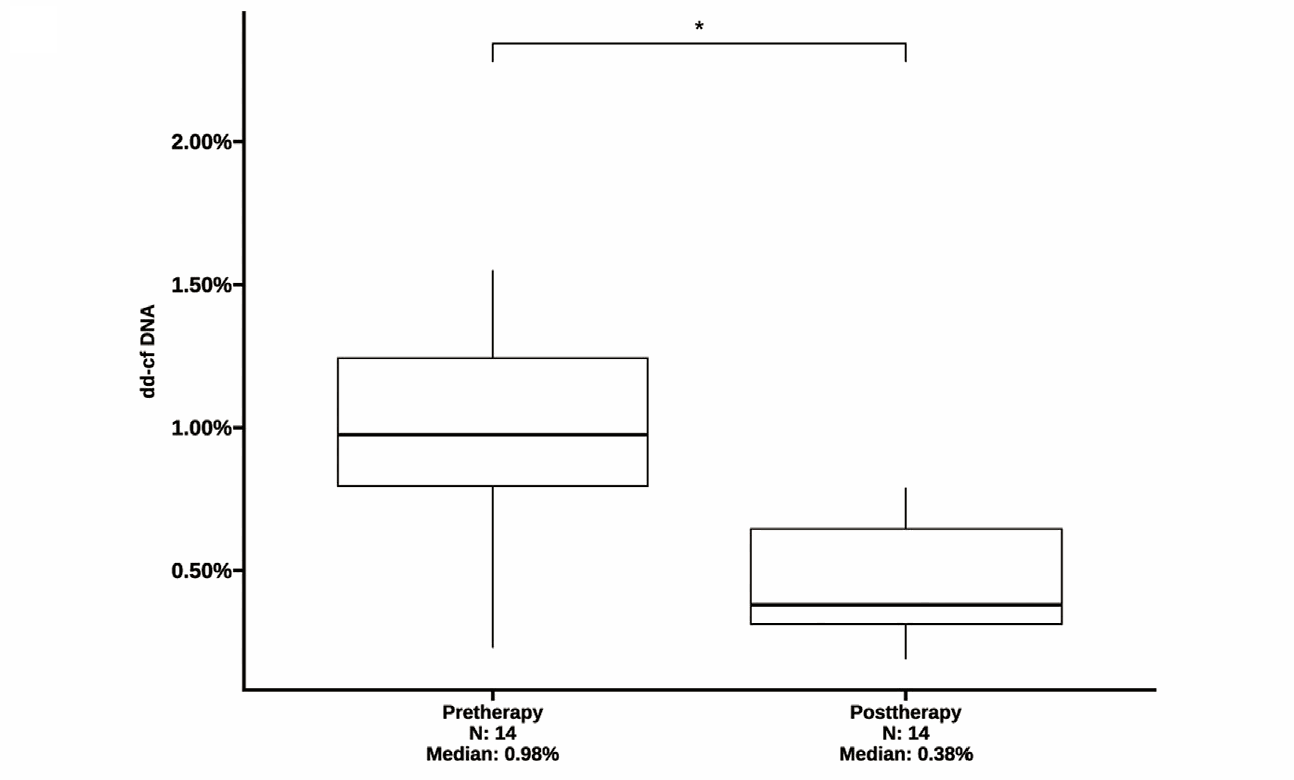
Figure 6 dd-cfDNA before and after anti-rejection therapy in 14 recipients; post-treatment samples were collected at 2 weeks. Source: Zheng et al., 2026, CC BY.
Limited by sample size, these findings offer a research lead for monitoring treatment response and cannot yet guide drug adjustment on their own.
VII. AlloDx's role: dd-cfDNA testing and methodological support
AlloDx provided dd-cfDNA testing on the IndelTrace™ 2.0 platform together with methodological support. The platform combines multiplex PCR targeted amplification with Indel markers, is quantitative from 0.05% to 1.5%, and does not require molecular barcodes or donor genotype.
This collaboration applied a domestically developed Indel-based assay in a prospective clinical study at Fuwai Hospital, building local evidence for non-invasive monitoring in heart transplantation. Fuwai Hospital has extensive experience in heart transplantation and post-operative management: according to public reports, more than 1,500 heart transplants had been performed by June 2025, with a 5-year recipient survival rate of 88.4%. Professor Liu Sheng's team undertakes the National Key R&D Program and several National Natural Science Foundation projects and continues to advance clinical research in heart transplantation.
Detection services and technical notes for non-invasive monitoring of transplant injury are described in Non-invasive Transplant Injury Monitoring。
References
- Zheng S, Liu S, Zhu Z, et al. Prospective evaluation of donor-derived cell-free DNA for noninvasive detection of acute rejection in an Asian heart transplant population. Transplant International. 2026;39:16415. DOI: 10.3389/ti.2026.16415 (open access, CC BY).
Disclaimer: This article reports scientific progress and is intended for medical and scientific information exchange only. It does not constitute diagnostic or treatment advice, nor a claim of product performance.