
TRANSCRIPTOME
SEQUENCING
Transcriptional regulation sequencing
- Case:Expression profiling and primary transplant lung dysfunction (PGD)
- Topic:Peripheral Blood Gene Expression Changes Associated with Primary Graft Dysfunction after Lung Transplantation
- Magazine:《American Journal of Transplantation》
- Impact factor:6.49
- Publication date:July 2018
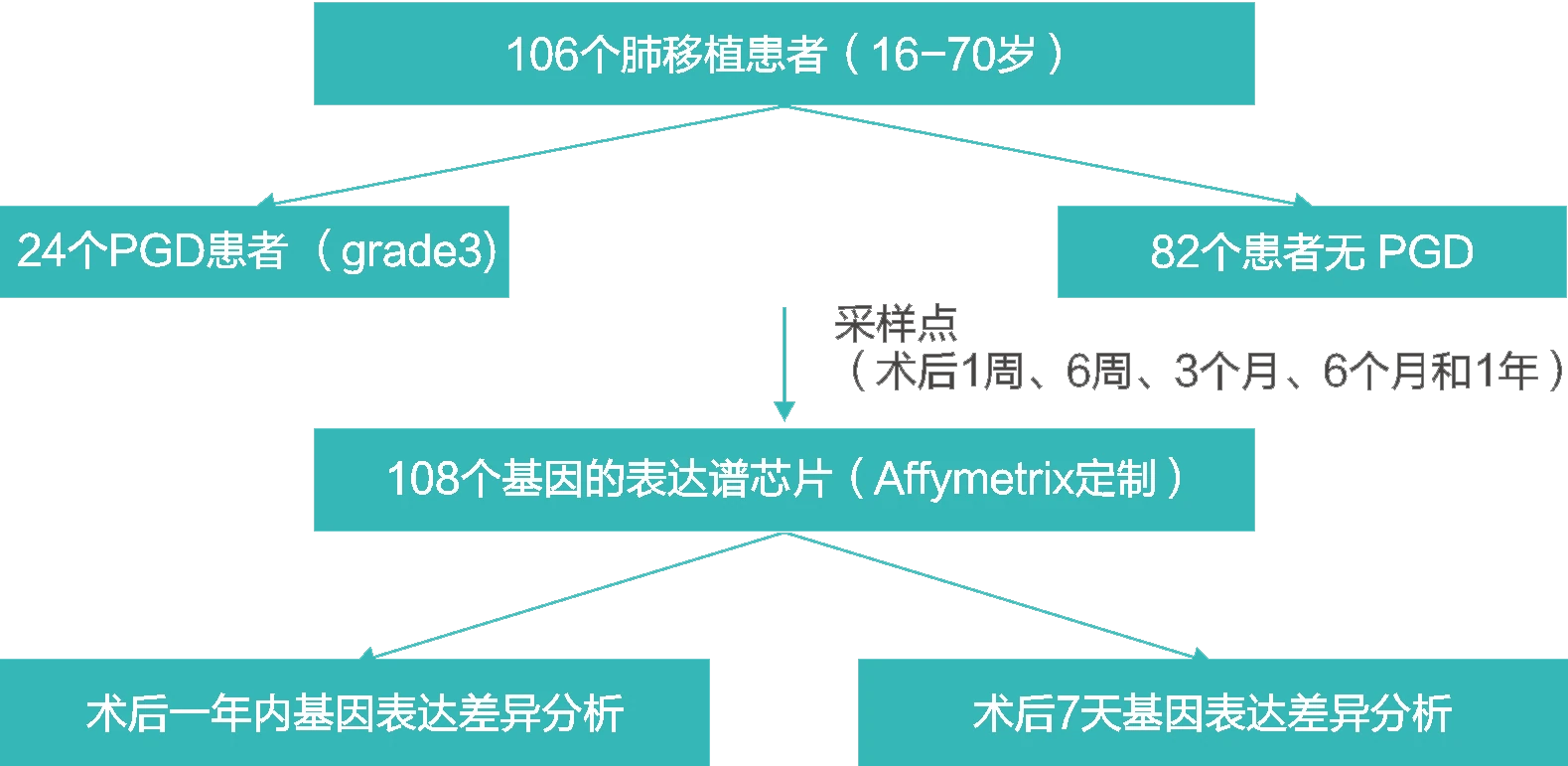
- Research ideas:Primary graft dysfunction (PGD) is a common cause of morbidity and death in patients after lung transplantation. Early detection of PGD can indicate the function of the transplanted lung. This study, through follow-up investigation of 106 lung transplant patients and detection of blood expression profile changes, hopes to discover differences in early expression genes in the blood of PGD group and non-PGD group patients.
-
Research results:
(1) Based on statistics within 1 year after transplantation, there were 18 significantly different genes between the two groups, and their functions mainly involved innate and acquired immunity.
(2) Two hours after transplantation, compared with the non-PGD group, the expression of 11 genes in the PGD group was up-regulated and the expression of 13 genes was down-regulated.
(3) In the PGD group, 8 genes involved in adaptive immune response and T cell immune response (such as FASLG) were in a significantly low expression state from 2 hours to 7 days after surgery.
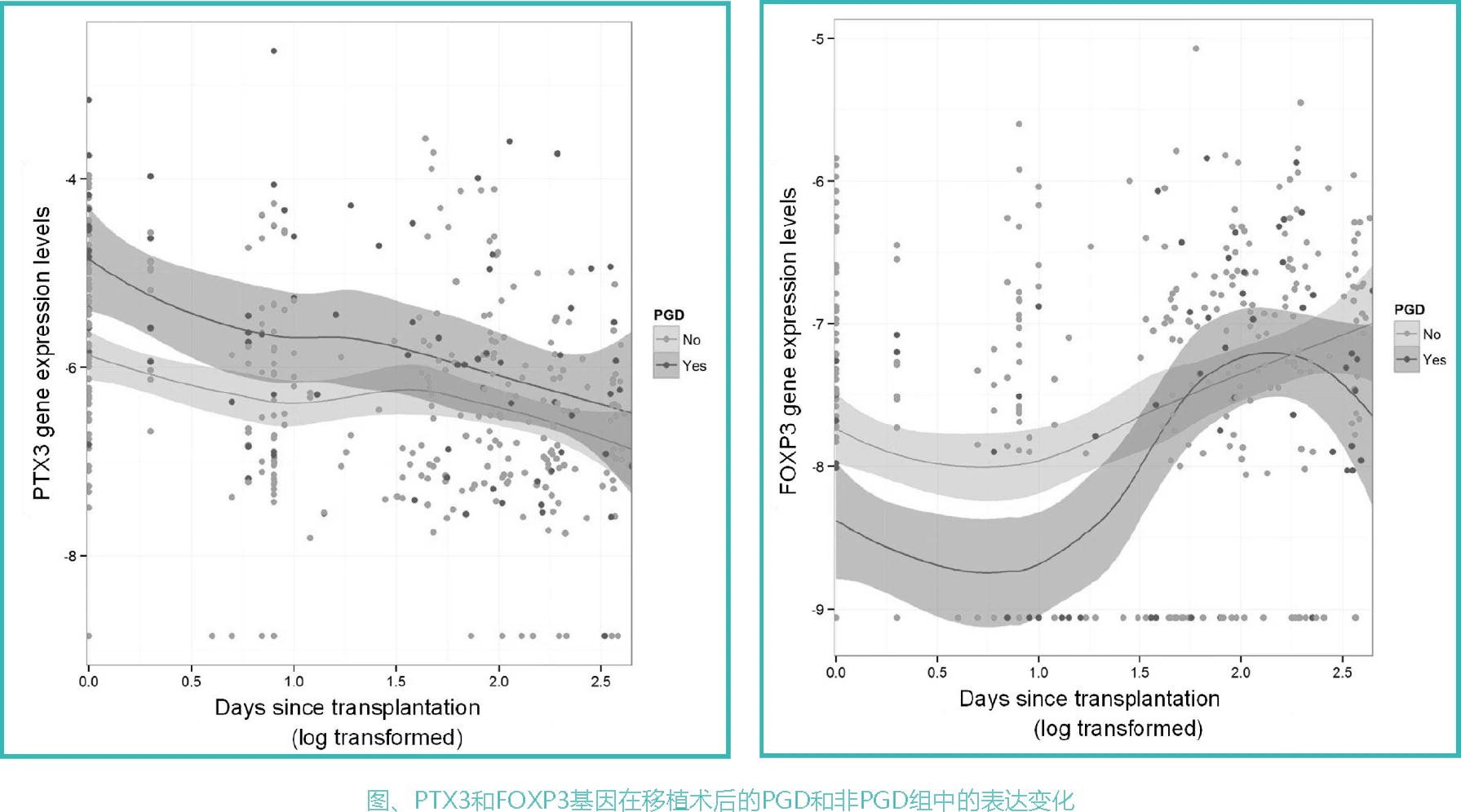
(4) Most genes are significantly different between the PGD group and the no-PGD group in the early postoperative period, but there is no significant difference in the late stage (for example, PTX3 and FOXP3 in the figure below).

- Case:Transcriptome reveals molecular mechanisms of immune tolerance formation
- Topic:Intragraft Molecular Pathways Associated with Tolerance Induction in Renal Transplantation.
- Magazine:《Journal of the American Society of Nephrology 》
- Impact factor:8.65
- Publication date:September 2017
- Research ideas:This study found differentially expressed genes through expression profile chip detection and miRNA detection and analysis of the kidney transplantation-induced immune tolerance group (FCRx), standard immunosuppressive treatment acute rejection group (SIS+AR), standard immunosuppressive treatment stable group (SIS), and corresponding donor samples (D), and found related genes and signaling pathways that induce immune tolerance through functional and signaling pathway clustering studies.
-
Research results:
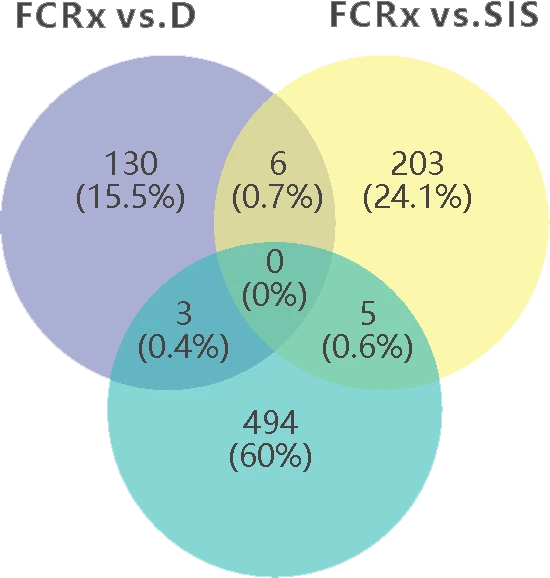
(1) Venn diagram analysis of differential genes
(2) The expression profile analysis results of the acute rejection group showed that the expression of genes related to the T cell-mediated and B cell-mediated rejection signaling pathways was up-regulated, while the induced immune tolerance group (FCRx) did not show a similar increase in gene expression.
(3) There are some differences in gene expression between the induced immune tolerance group (FCRx) and its corresponding donor, but the functional gene networks are basically overlapping.
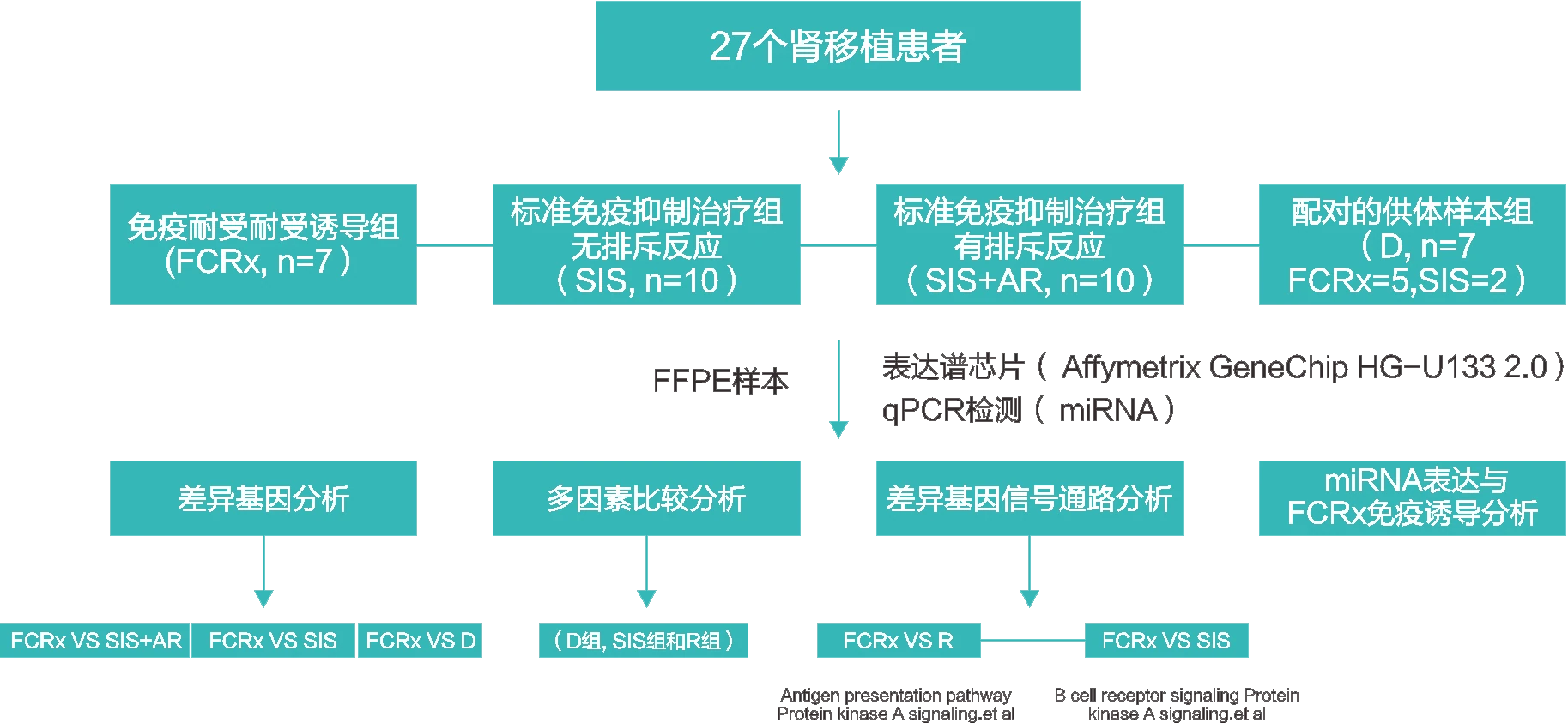
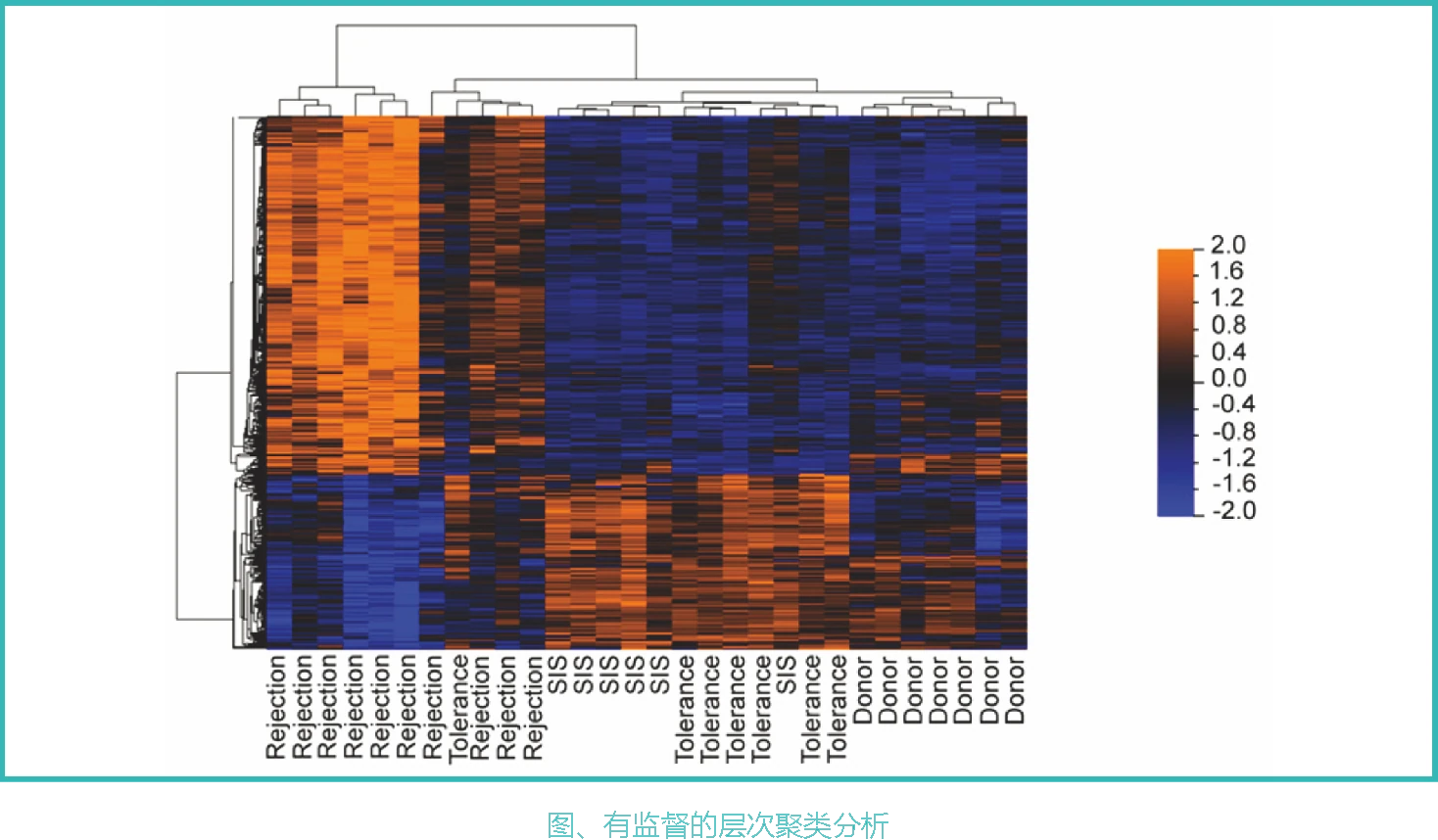
(4) Compared with the stable immunotherapy group, the expression of some signaling pathway genes was up-regulated in the FCRx group, such as genes related to the B cell receptor signaling pathway.
(5) Prediction analysis showed that the FCRx group inhibited the expression of inflammatory genes and activated the expression of anti-inflammatory related genes.
(6) Analysis of the regulatory expression of miRNA showed that it enhanced the regulation of suppressor genes on the inflammatory signaling pathway and stabilized tissue homeostasis in the FCRx group.