MICROBIAL
GENOME SEQUENCING
Microbial genome sequencing
- Case:Microbial diversity sequencing and immunosuppressant metabolism
- Topic:Immunosuppressive effect of the gut microbiome altered byhigh- dose tacrolimus in mice.
- Magazine:《American Journal of Transplantation》;
- Impact factor:IF=6.45
- Publication date:June 2018
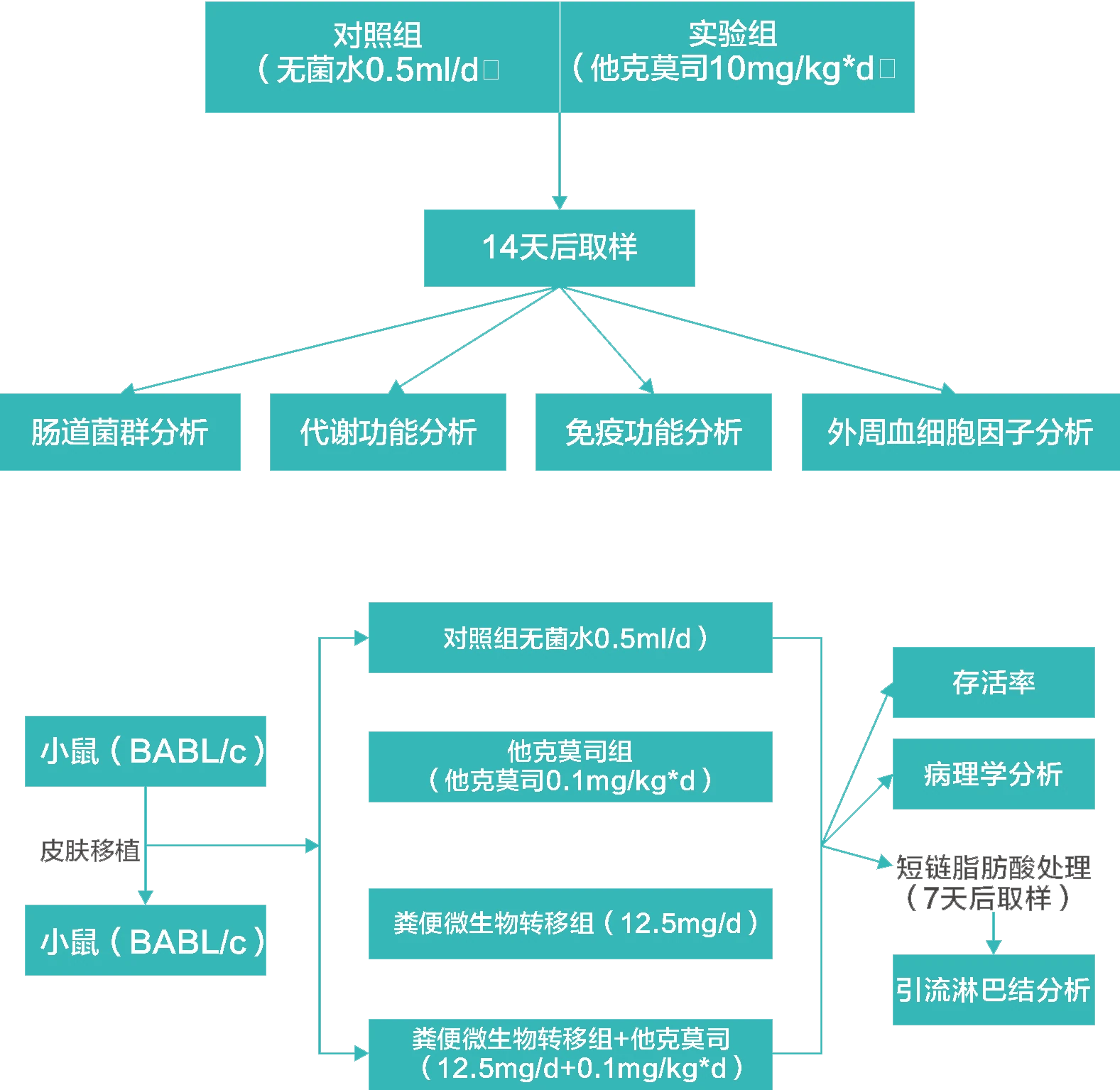
- Research ideas:This study compared the effects of mice taking regular doses of tacrolimus and taking high doses of tacrolimus for 14 consecutive days on changes in the intestinal flora of mice. The authors used pyrosequencing to amplify and sequence microbial 16S rRNA, analyze the sequencing data and predict the impact of changes in intestinal flora on body metabolism. Flow cytometry was used to analyze plasma T cells, gut-associated lymphoid tissue, and draining lymph nodes to study the relationship between intestinal flora and immune function.
-
Research results:
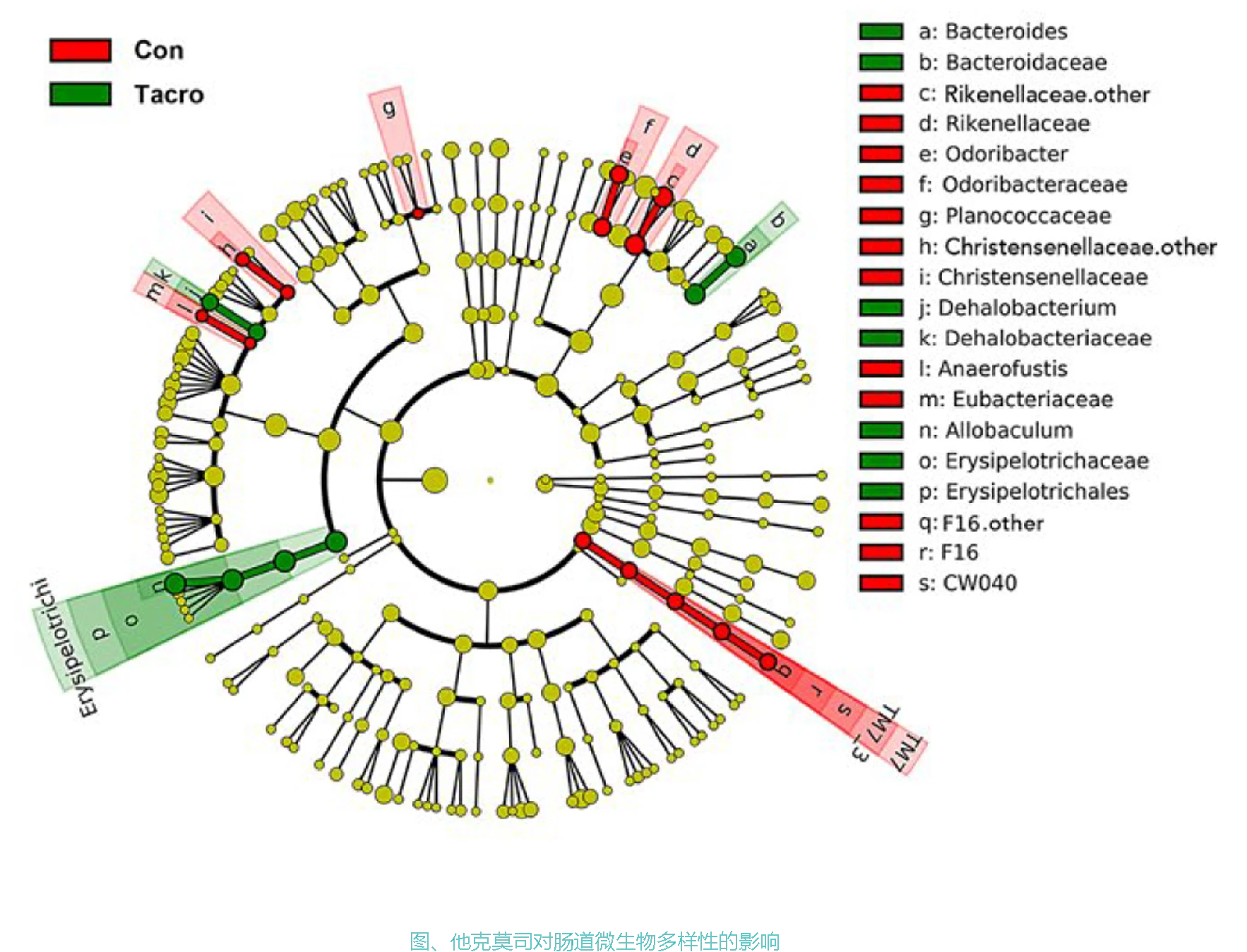
(1) Taking high doses of tacrolimus changes the main components and bacterial types of intestinal flora in mice. Compared with the control group, the abundance of Mycoplasma, Bacteroides, and Lactobacillus in the intestinal flora of the experimental group increased significantly, while the abundance of Clostridium, Ruminococcus, Rikenella, Verrucomicrobia, and Oscillator sp. decreased significantly.

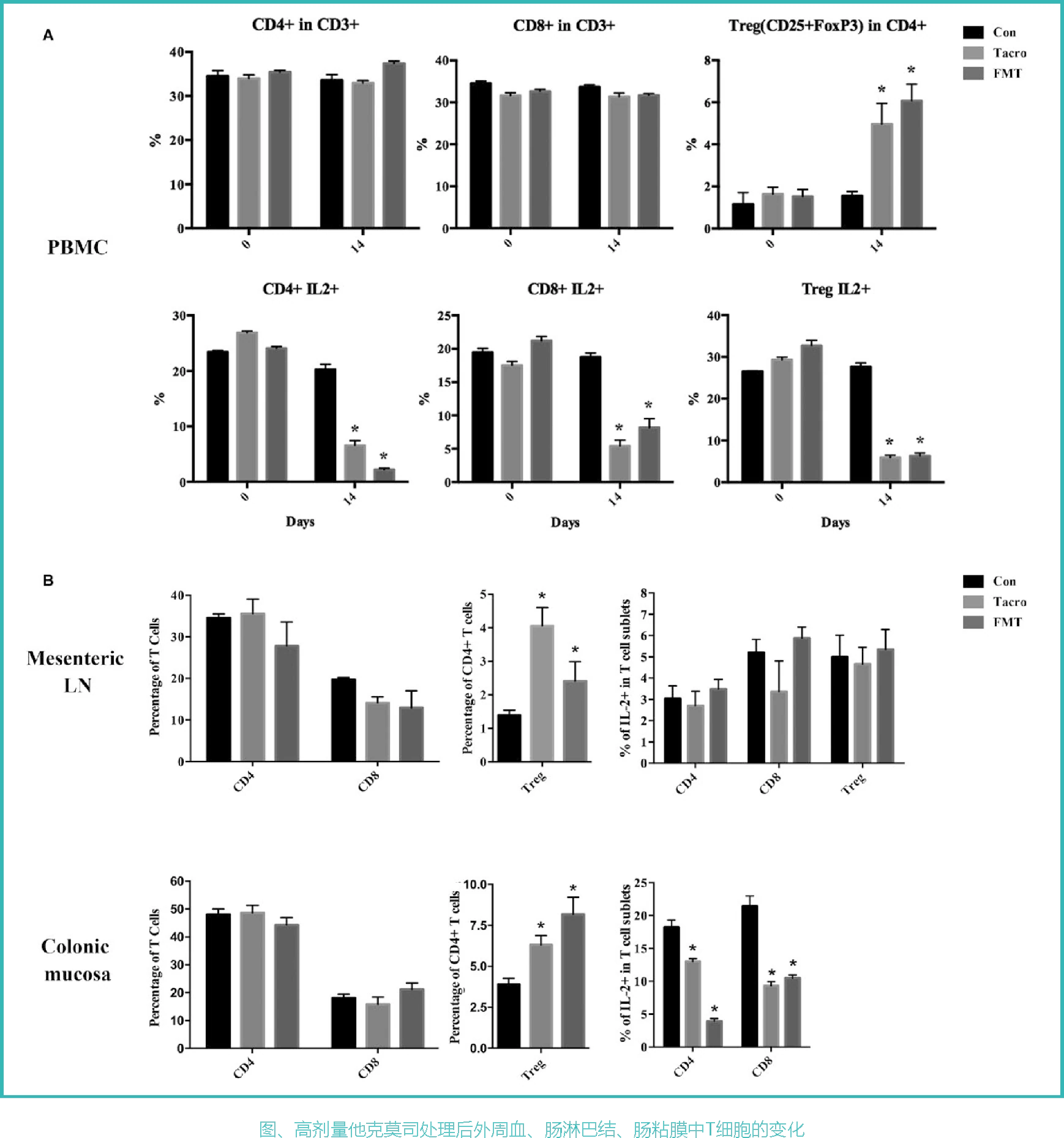
(2) High-dose tacrolimus affects immune function by changing intestinal flora Compared with the control group, mice in the high-dose tacrolimus group and the fecal microbiota transfer group had a significant increase in regulatory T cells. The expression of IL-2 in CD4+, CD8+ and T cells in mice in the high-dose tacrolimus group and fecal microbial transfer group was significantly lower than that in the control group.
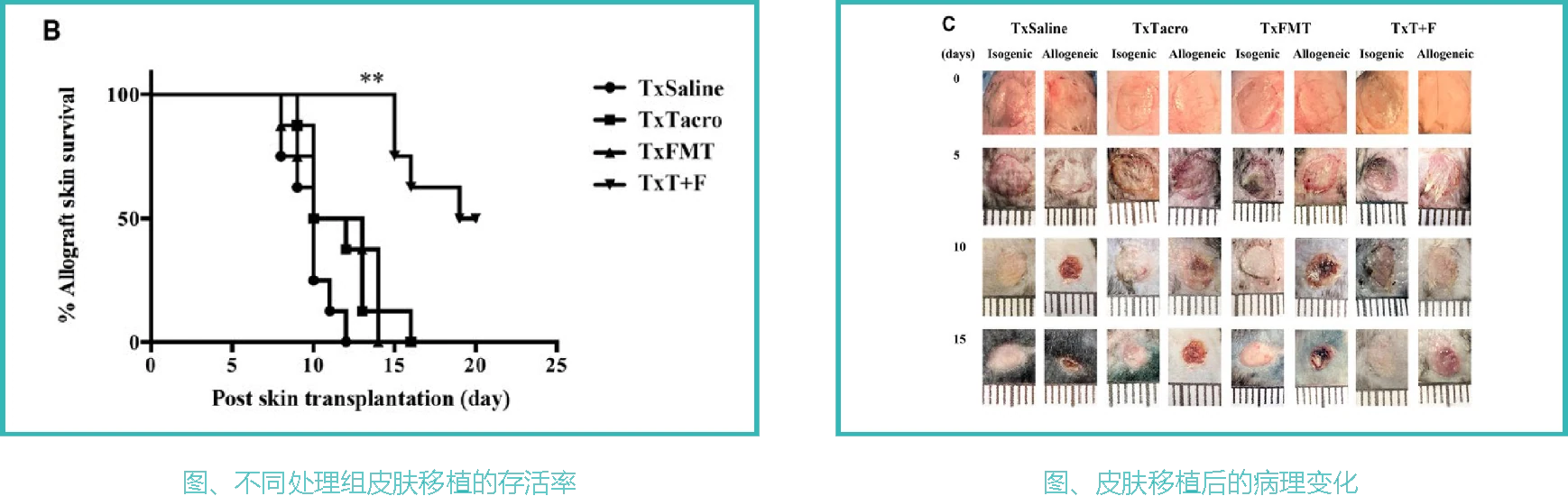
(3) High-dose tacrolimus improves graft survival rate by changing intestinal flora