
Cell free DNA (cfDNA) refers to free and extracellular DNA fragments from cell apoptosis or necrosis. Patient plasma contains cfDNA derived from apoptosis of donor tissue cells. A large amount of research and experimental data show that cfDNA is a new biomarker that indicates the health status of transplanted organs and has the advantages of non-invasive, sensitive and real-time.
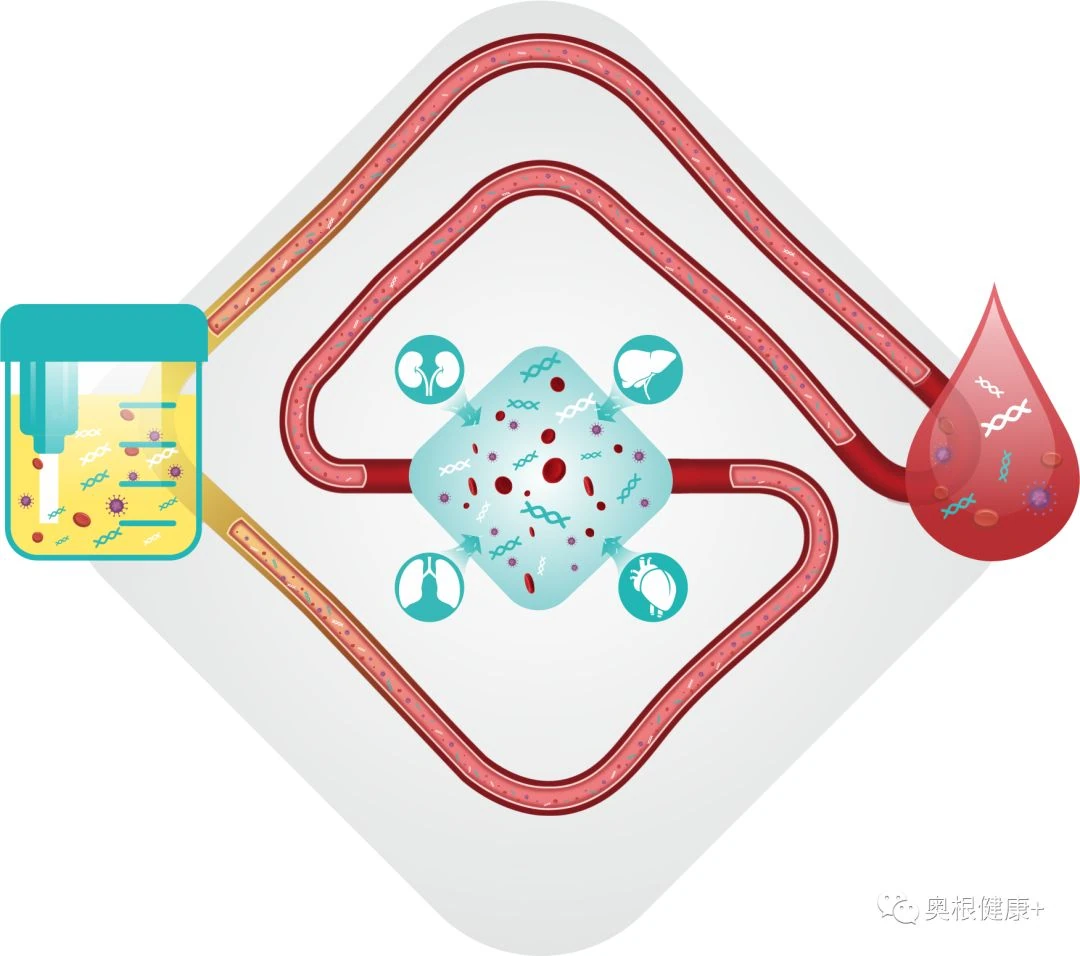
cfDNA in blood and urine of organ transplant patients
Rejection is the most common complication after liver transplantation. This test uses second-generation gene sequencing technology to capture and detect cell-free gene sequences derived from donor tissues in the patient's peripheral blood and urine, and uses the company's independently developed bioinformatics algorithm model HDSS (High Dimension SNP Seq) to evaluate the rate of apoptosis or necrosis of donor tissue cells, thereby non-invasively detecting the rejection of the patient's transplanted organ.