
[Published by TRANSPL INT] The first domestic post-transplant liquid biopsy data published
Recently, "Transplant International", a well-known international journal in the field of transplantation, published online a study conducted by our company and the team of Director Wang Rending of the First Affiliated Hospital of Zhejiang University on the dynamic changes of donor-derived cell-free DNA after kidney transplantation.
Recently, "Transplant International", a well-known international journal in the field of transplantation, published online a study conducted by our company and the team of Director Wang Rending of the First Affiliated Hospital of Zhejiang University on the dynamic changes of donor-derived cell-free DNA after kidney transplantation.
Organ transplantation is currently the most effective means of treating end-stage organ failure, and post-transplant rejection is one of the major risk factors for graft failure. At present, tissue biopsy is the gold standard for diagnosing acute rejection of transplanted organs. It is invasive and difficult to be used as a routine clinical detection method. Since organ transplantation also accompanies genome transplantation, the health status of the transplant can be assessed by monitoring donor derived cell free DNA (ddcfDNA) in the patient's blood. However, there are currently few studies on the dynamic changes in ddcfDNA concentration after transplantation, which hinders its precise clinical application.
Our company and the research team of Director Wang Rending of the First Affiliated Hospital of Zhejiang University published a research paper titled "Dynamics of early post-operative plasma ddcfDNA levels in kidney transplantation: a single-centre pilot study" in the famous academic journal "Transplant International" in the field of transplantation (https://doi.org/10.1111/tri.13341). This study used second-generation gene sequencing technology to systematically evaluate the dynamic changes in ddcfDNA concentration in the early postoperative period in kidney transplant patients of various types and pathological states. The results showed that the change trend of ddcfDNA concentration after transplantation followed an "L-shaped" decline curve, with the concentration reaching the highest after the blood vessels were opened, and then the ddcfDNA reached a stable state on the second day after surgery (P<0.01).
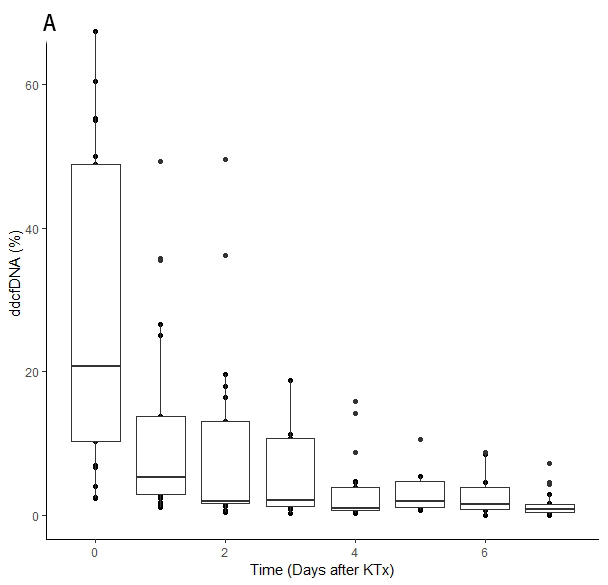
Figure 1. ddcfDNA concentration at different time points (corresponding to the original Figure 3A)
At the same time, the results show that monitoring changes in ddcfDNA concentration in patients after surgery is valuable in predicting delayed recovery of transplanted kidney function (DGF), and a rebound increase in ddcfDNA concentration after a decrease in DGF patients may indicate rejection in the patient, which is of great significance in distinguishing simple DGF or acute rejection after transplantation.
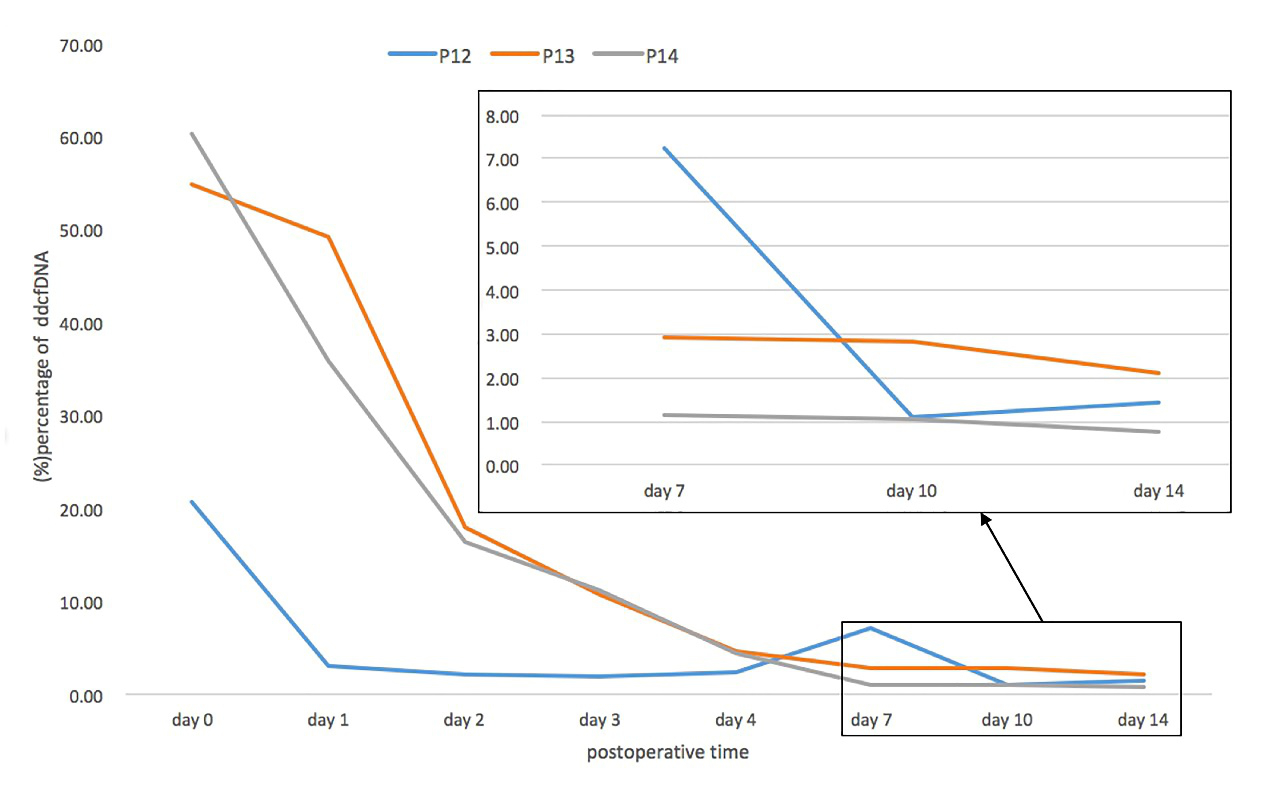
Figure 2. ddcfDNA levels in DGF patients (see original Figure 4)
In addition, the research results also showed that ddcfDNA levels were significantly correlated with warm ischemia time and serum creatinine levels (P<0.01). This study lays a theoretical foundation for the application of cell-free DNA in non-invasive detection of kidney transplant patients.
Some original figures, videos and downloadable materials are provided in Chinese.